Solving Fly-Tipping Issues on Gunnersbury Streets
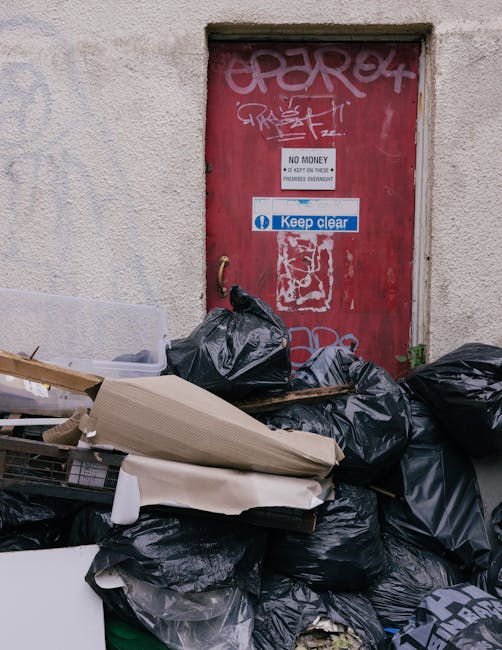
Fly-tipping on Gunnersbury Streets is one of those problems that can turn a tidy corner into an instant eyesore. A sofa left half on the pavement, black bags split open by foxes, broken office chairs, builders' rubble dumped after dark - it all adds up fast. If you are dealing with it, you probably want two things: the mess gone, and confidence it will not simply return tomorrow. This guide on Solving Fly-Tipping Issues on Gunnersbury Streets walks you through the practical side of the problem, from quick response steps to prevention, compliance, and the best way to choose a reliable clearance approach.
Truth be told, fly-tipping is rarely just "rubbish in the wrong place". It usually sits at the intersection of convenience, cost-cutting, poor disposal habits, and weak coordination between residents, landlords, businesses, and contractors. That is why a sensible solution needs more than a quick sweep. It needs judgement.
Why Solving Fly-Tipping Issues on Gunnersbury Streets Matters
Fly-tipping is not just a visual nuisance. On busy streets, it can block footpaths, attract pests, create trip hazards, and make a perfectly respectable road feel neglected. For businesses, it can quietly damage customer confidence. For residents, it can make the whole street feel less safe and less cared for. And for landlords or managing agents, it can become a recurring operational headache that eats time and money.
Gunnersbury Streets, like many London neighbourhood streets, can be sensitive to this kind of problem because they sit in a mix of homes, offices, small commercial units, shared access points, and regular vehicle movement. When waste is left in the wrong place, it does not stay static for long. Rain gets into cardboard. Wind spreads lighter items. Bags split. Before long, one dumped item becomes a much larger clearance job. A small mess can grow into a grim little pile quicker than people expect.
There is also a wider social effect. Fly-tipping often signals a breakdown in responsibility - someone avoided disposal costs, skipped the right process, or used an unlicensed collector. That means the burden shifts to everyone else. It is unfair, but it happens. A good response therefore aims to remove the waste, reduce repeat incidents, and make the area less attractive to future dumping.
Expert summary: The best fly-tipping response is not just removal. It is removal plus investigation, safe handling, proper disposal, and a prevention plan that fits the street's real-world use.
How Solving Fly-Tipping Issues on Gunnersbury Streets Works
The process is simpler when it is broken into stages. First comes assessment: what has been dumped, how much there is, whether there are hazards, and whether the material may contain items that need special handling. Then comes access planning. On a street, that might mean working around parked cars, narrow pavements, bins, service access, or residents coming and going. Not glamorous, but essential.
Next is the actual clearance. Depending on the waste, this may involve manual loading, sorting into recyclable and non-recyclable streams, and careful lifting to avoid damage or injury. If the dumped material includes bulky waste, broken furniture, bags of mixed rubbish, or possibly sharp items, the team needs the right equipment and a cautious approach. Nobody wants a rushed job with a torn sack and bits scattered across the kerb. Been there, seen that, not ideal.
After removal, reputable clearances usually focus on responsible disposal and recycling where possible. That is especially important for mixed street waste, where there may be clean cardboard, metal, timber, or reusable items that should not all end up in the same place. If you are considering a provider, it is worth checking their approach to recycling and sustainability as part of the job.
Finally, there is the prevention layer. That may include better bin storage, clearer resident instructions, scheduled collections, better access control, signage, faster reporting, or regular clearance checks. In some streets, just having a predictable response route is enough to stop the "it might sit there for days" effect that encourages more dumping.
Key Benefits and Practical Advantages
When fly-tipping is handled properly, the benefits are wider than a clean pavement. The obvious win is visual: the street looks cared for again. But the practical benefits are just as important.
- Reduced health and safety risks: Less chance of sharp objects, spoiled waste, or blocked access causing problems.
- Better street appearance: A tidy frontage makes a noticeable difference, especially near homes, offices, and customer-facing premises.
- Lower repeat dumping: Fast removal can reduce the signal that a location is an easy target.
- Improved community confidence: People are more likely to keep an area tidy when it already looks looked after.
- More efficient property management: Landlords and agents spend less time firefighting the same issue again and again.
- Better recycling outcomes: A structured clearance can separate recyclable material instead of treating everything as general waste.
There is also a less visible benefit: peace of mind. If you have ever arrived early in the morning and spotted a dumped mattress by the railings, you know the feeling. It is annoying, yes, but it also creates a bit of mental clutter. Sorting it quickly clears that away too.
Who This Is For and When It Makes Sense
This kind of support is relevant to a wide range of people. It is not just for councils or large property managers. In everyday life, the need often appears in smaller, more awkward situations.
- Residents: If dumped waste is affecting the pavement outside your home or shared entrance.
- Landlords and letting agents: If tenants, vacant properties, or access routes are being used for unauthorised dumping.
- Business owners: If waste left near your shopfront, office, or service yard is affecting presentation or access.
- Managing agents and block managers: If communal bin areas or side alleys keep attracting mess.
- Contractors: If leftover materials have been dumped after a strip-out, fit-out, or refurbishment.
It makes sense to act quickly when the waste is bulky, unsanitary, blocking access, or growing by the hour. It also makes sense when the situation is becoming repetitive. One-off messes happen. Repeated messes usually point to a bigger issue: poor storage, weak access control, or a route that is too convenient for illegal dumping.
For businesses deciding how to handle removal, it may help to review pricing and quotes early so you can compare options without guesswork. Clear pricing does not solve everything, but it prevents the "hidden cost surprise" that nobody enjoys.
Step-by-Step Guidance
If you want a practical route through the problem, keep it simple and structured. The aim is to remove the waste safely and reduce the chances of a repeat. Here is a sensible way to approach it.
- Assess the site carefully. Look at what has been dumped, whether anything is sharp, wet, smelly, or potentially hazardous, and whether access is clear enough for safe removal.
- Separate urgent risks. If waste is blocking a path, attracting pests, or creating a trip hazard, treat it as a priority. Do not wait for the pile to settle down. It rarely does.
- Identify what can be reused or recycled. Cardboard, metal, timber, and some furniture may be suitable for recycling streams if they are kept clean and handled properly.
- Choose the right clearance approach. For a small amount, a straightforward pickup may be enough. For a mixed or heavy fly-tip, you may need a fuller clearance with loading support and careful sorting.
- Make sure disposal is responsible. Ask how the waste will be handled, especially if you are concerned about environmental impact or traceability.
- Document what happened. Take photos before removal if you need records for an insurer, landlord file, building manager, or internal incident log.
- Review the cause. Check for open access points, poor bin storage, weak lighting, or collection issues that may be making the street vulnerable.
- Put a prevention habit in place. Scheduled checks, clearer instructions, and quicker reporting can make a real difference.
A lot of people skip the last two steps. That is usually where the repeat problem starts. The clean-up is the visible bit; the prevention is the bit that actually saves time.
Expert Tips for Better Results
There are a few habits that tend to separate a decent fly-tipping response from a genuinely good one.
- Act early in the day if you can. Morning light makes it easier to see what you are dealing with, and streets are often quieter before the rush.
- Do not mix everything together. Recyclable material, rubble, and general rubbish all behave differently in disposal terms. Sorting helps.
- Keep access in mind. A narrow lane or double-parked street can turn a simple clearance into a fiddly job very quickly.
- Check for hidden waste. Fly-tips sometimes have bags behind bags, or items tucked under tarps. People are creative, unfortunately.
- Use clear instructions for tenants or staff. A surprising amount of recurring dumping starts with someone not knowing where waste should go.
- Prioritise safety over speed. A rushed move with broken glass or heavy furniture can create avoidable injury or damage.
If you are dealing with repeated dumping around a property, it is worth thinking like a pattern analyst rather than only a cleaner. What time does it happen? What type of waste appears? Is it from domestic clear-outs, trade work, or abandoned bagged waste? The answer changes the solution. Slightly obvious, maybe, but easy to miss in the moment.
For organisations looking at the bigger picture, it can be useful to compare your waste handling standards with the provider's approach to health and safety and insurance and safety. Those pages are worth reviewing before anyone steps onto site.
Common Mistakes to Avoid
Some fly-tipping problems get worse because people respond in the wrong order. These are the most common missteps.
- Leaving the waste in place too long. Delays invite more dumping and make the site feel unmanaged.
- Assuming it is harmless. Even ordinary-looking waste can hide sharp objects, liquids, or infested materials.
- Using unverified disposal arrangements. If a collector cannot explain where the waste goes, that is a red flag.
- Ignoring prevention after clearance. A clean street without a plan is just an invitation for the next problem.
- Failing to communicate with neighbours or tenants. Sometimes the fix is simple: better bin instructions, clearer storage, or a reminder about collection day.
- Trying to shift everything by hand without the right support. Heavy or awkward items are where strains and accidents tend to happen.
Another one - and this happens more than people admit - is treating every dumped pile as if it were the same. It is not. A few bags of household rubbish are one thing; damp plasterboard, broken fixtures, and mixed trade debris are another. The difference matters for safety, handling, and disposal.
Tools, Resources and Recommendations
You do not need fancy equipment to start solving fly-tipping issues, but you do need the right basics. A practical toolkit usually includes:
- gloves and protective clothing
- sealed sacks or containers for loose waste
- basic access equipment for bulky items
- bin storage solutions or covers where needed
- clear labels for waste separation
- a camera or phone for before-and-after records
For organised clearance work, it also helps to have a provider with a straightforward booking process, transparent costs, and a clear complaints route if something goes wrong. That may sound dull, but dull systems are often the ones that work best.
You may also want to review these useful pages before making arrangements: about the team, contact details for booking and questions, and the complaints procedure if you ever need clarity after a service. They are the kind of pages people ignore until they really matter.
For residents and organisations that value responsible handling, the page on recycling and sustainability is especially relevant because not every item should be treated the same way. Reuse, recycle, and disposal all play different roles.
Law, Compliance, Standards, or Best Practice
Fly-tipping sits inside a broader UK waste compliance context, so it is sensible to be careful. In practical terms, the key rule is simple: waste should only be handed to properly authorised and responsible handlers, and it should be disposed of appropriately. If you are a business, landlord, or contractor, you should also be able to show that you took reasonable steps to deal with waste correctly.
That does not mean every situation requires legal advice. It does mean that informal arrangements, vague promises, and "my mate will take it away" approaches are risky. They can create problems later, especially if waste ends up dumped elsewhere and the trail leads back to you. Not fun. Not worth it.
Good practice usually includes:
- checking who is handling the waste
- keeping records of arrangements where needed
- separating hazardous or awkward items from ordinary waste
- making sure staff, tenants, or contractors know the rules
- using safe lifting and handling methods for bulky items
For any commercial or managed property setting, the safest route is the one that combines proper collection, traceable handling, and clear communication. If you are unsure, ask before the waste leaves site. That one question can save a lot of grief later.
Options, Methods, or Comparison Table
There is more than one way to deal with fly-tipping, but the right option depends on the size of the issue, the type of waste, and how quickly it needs attention. Here is a simple comparison.
| Method | Best for | Strengths | Limitations |
|---|---|---|---|
| Self-removal | Very small, safe, non-hazardous amounts | Quick if you already have the means; low complexity | Can be unsafe, time-consuming, and awkward for bulky waste |
| Scheduled clearance | Known recurring issues or planned property work | Predictable, easier to coordinate, often tidier | May not be fast enough for urgent street obstructions |
| Responsive professional clearance | Bulky, mixed, or urgent fly-tips | Safer, more efficient, better for sorting and disposal | Requires booking and clear communication |
| Prevention-first property management | Repeat dumping points | Targets the cause, not just the symptoms | Takes time and regular review |
If you are dealing with a one-off pile, quick removal may be enough. If it keeps happening in the same spot, the prevention-first approach is usually where the real value sits.
Case Study or Real-World Example
Imagine a mixed-use stretch on Gunnersbury Streets where residents share frontage with a small office entrance and a service alley. One Monday morning, someone notices a dumped settee, two bin bags, and some broken packing material left near the kerb. Nothing dramatic at first glance, but it blocks part of the pavement and makes the entrance look neglected.
The first step is simple: photograph the scene, check for sharp edges or contamination, and assess access. The second step is deciding whether to remove it immediately or arrange a clearance with proper loading support. In this case, the bulky item and loose waste together make a stronger case for a managed removal rather than a DIY attempt. A quick lift without sorting could spread debris across the street.
Once cleared, the property manager reviews why that corner keeps attracting mess. There is a blind spot from the road, the bin area is easy to access after dark, and old furniture occasionally appears after tenant changes. The fix is not glamorous: better storage, a clearer note to occupiers, and a regular check after collections. But it works better than repeated complaints and crossed fingers.
That is the point, really. Solving fly-tipping issues on Gunnersbury Streets is often about small, boring changes done consistently. Not exciting, but effective.
Practical Checklist
Use this checklist when you are faced with a fly-tip or repeated dumping point.
- Identify the type and volume of waste
- Check for sharp, wet, or potentially hazardous items
- Confirm whether access is safe for removal
- Take photos before anything is moved
- Separate recyclable material where practical
- Choose a safe and traceable disposal route
- Remove the waste promptly
- Inspect the area for smaller leftover debris
- Review the likely cause of the dumping
- Put a prevention step in place for next time
Quick reminder: if the same spot keeps getting used, do not just keep clearing it and hope for the best. Ask what makes that place attractive to dumpers. The answer is usually there, somewhere in plain sight.
Conclusion
Fly-tipping on Gunnersbury Streets is frustrating, messy, and often avoidable. But it is also manageable when you approach it in the right order: assess, clear safely, dispose responsibly, and then fix the weak point that allowed it to happen in the first place. That combination is what turns a one-off clean-up into a lasting improvement.
If you are a resident, landlord, business owner, or managing agent, the main thing to remember is this: the fastest solution is not always the best one, and the cheapest option is not always the one that saves money in the end. A careful clearance backed by sensible prevention tends to win out. Every time, more or less.
If you want support that is practical, transparent, and built around proper handling, start by reviewing the provider's pricing and quotes, then use the contact page to ask the questions that matter to your situation.
Get a free quote today and see how much you can save.
Clean streets change how a place feels. A little less clutter, a little more care - and suddenly the whole road breathes easier.
Frequently Asked Questions
What is the first thing I should do if I spot fly-tipping on Gunnersbury Streets?
Start by checking whether the waste is creating an immediate hazard, then take a few clear photos before anything is moved. If it is blocking access, looks dangerous, or is attracting more mess, arrange removal quickly. The sooner it is dealt with, the less likely the problem is to spread.
Can fly-tipping be removed the same day?
Sometimes, yes. Same-day removal often depends on the size of the waste, access, and how busy the clearance team is. Small or straightforward jobs are easier to handle quickly than large mixed piles or anything that needs special care.
How do I know if dumped waste can be recycled?
Clean cardboard, metals, timber, and some furniture items may be recyclable if they are kept separate and not contaminated. Mixed or dirty waste is harder to process. The safest approach is to assume sorting will help and ask for the material to be assessed properly.
Is fly-tipped waste always the council's responsibility?
Not always. Responsibility can depend on where the waste is located and whose land it is on. In some cases, a landowner, landlord, or managing agent may need to arrange private removal. If you are unsure, it is best to check the property boundaries and site arrangements before acting.
What are the risks of leaving fly-tipped waste in place?
There are several: trip hazards, pest issues, unpleasant odours, blocked access, and a greater chance of more waste being dumped nearby. Leaving it in place also makes the area look unmanaged, which can affect how people behave around it.
How can businesses prevent repeat dumping?
Store waste securely, make bin areas less accessible, give staff or tenants clear instructions, and respond quickly when waste appears. Lighting, visibility, and regular checks can also help. Repetition usually means something about the site is too easy to exploit.
Should I move fly-tipped items myself?
Only if the waste is small, safe, and manageable. If there are sharp edges, heavy furniture, liquids, or loose debris, it is safer to use a proper clearance approach. A rushed lift can turn a simple issue into an injury or a bigger mess.
What details should I record before removal?
Take photos, note the location, estimate the volume, and record anything unusual such as damage, access issues, or signs that the waste may have come from a particular source. A simple record can be useful for property files, insurers, or follow-up action.
How do I choose a trustworthy clearance provider?
Look for clear communication, sensible safety practices, transparent pricing, and a responsible approach to disposal. It also helps to review pages such as about the team, health and safety, and insurance and safety before booking.
What if the same spot keeps getting fly-tipped?
Then the problem is probably not just the rubbish. Look for access gaps, poor lighting, weak bin storage, or a routine that makes the area easy to target. Prevention matters more once dumping becomes a pattern.
Where can I ask about costs or arrange a quote?
You can review the information on pricing and quotes and then use the contact page to discuss the details of your situation. That is usually the quickest way to get a sensible answer without guesswork.