Local Council Rules for Gunnersbury Rubbish in 2026: A Practical Guide for Homes, Flats, and Businesses
If you live or work in Gunnersbury, rubbish is never just rubbish. A bag left out too early, a sofa dumped beside a bin store, or a builder's skip arranged without checking the rules can lead to fines, missed collections, or a very awkward conversation with a landlord or managing agent. Local Council Rules for Gunnersbury Rubbish in 2026 matter because waste handling has become more visible, more regulated, and, frankly, less forgiving.
This guide breaks the topic down in plain English. You'll learn what the local rules generally mean in practice, how rubbish collection and disposal usually works, what to do with bulky waste, and how to avoid the little mistakes that cause the biggest headaches. If you want a cleaner, simpler route through the process, this is a good place to start. Let's face it, most people only care about council rules when they are standing next to a broken wardrobe and a deadline.
Table of Contents
- Why Local Council Rules for Gunnersbury Rubbish in 2026 Matters
- How Local Council Rules for Gunnersbury Rubbish in 2026 Works
- Key Benefits and Practical Advantages
- Who This Is For and When It Makes Sense
- Step-by-Step Guidance
- Expert Tips for Better Results
- Common Mistakes to Avoid
- Tools, Resources and Recommendations
- Law, Compliance, Standards, or Best Practice
- Options, Methods, or Comparison Table
- Case Study or Real-World Example
- Practical Checklist
- Conclusion
- Frequently Asked Questions
Why Local Council Rules for Gunnersbury Rubbish in 2026 Matters
Waste rules are not there just to be difficult. They exist to keep pavements clear, reduce fly-tipping, protect shared spaces, and make sure waste is collected safely. In a place like Gunnersbury, where you can move from residential streets to flats, offices, and small commercial premises within minutes, the mix of waste types can get messy quickly.
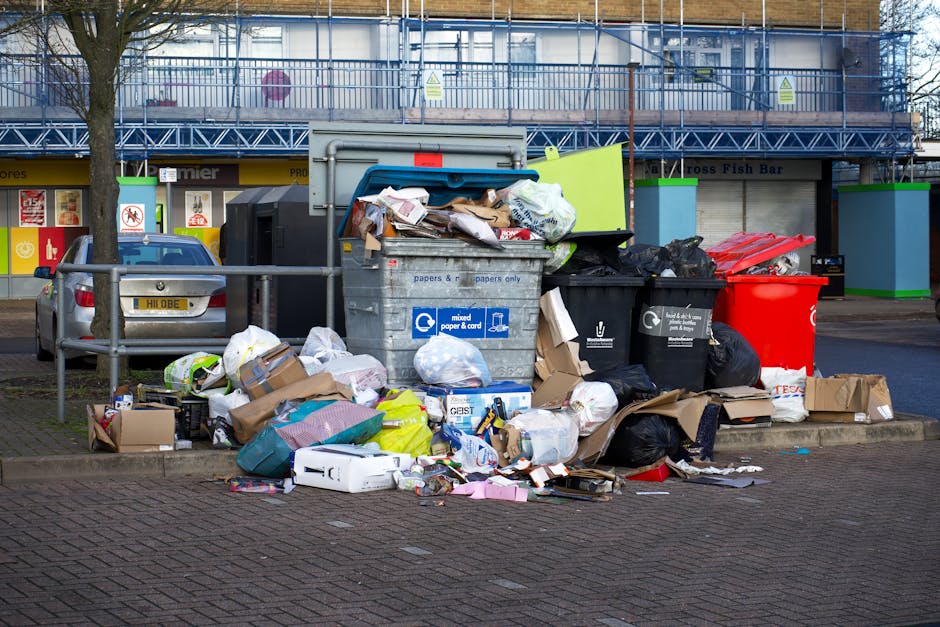
The big issue in 2026 is that the expectations around correct disposal are tighter than many people assume. A black bag left next to a communal bin may not be collected. A pile of cardboard folded loosely beside recycling containers may be treated as contamination. A sofa outside a building without a proper bulky waste arrangement can be classed as abandoned waste. Not fun. Also not cheap.
For households, the main risk is inconvenience and possible enforcement action. For landlords and letting agents, it can be complaints and repeat issues in communal areas. For businesses, it can affect reputation, insurance, and day-to-day operations. Even a small mistake can ripple out. One missed bin day in winter and suddenly the back courtyard starts looking like a storage room nobody asked for.
Understanding the local rules also helps you avoid paying twice. Many people book a clearance service after first trying a DIY disposal route that turns out to be unsuitable. A little planning at the start can save a lot of time later, and in some cases avoid contamination charges or collection refusal.
Expert summary: If you know what waste you have, where it can legally go, and who is responsible for moving it, the whole process becomes much simpler. The trick is not guessing. It is checking first, then acting.
How Local Council Rules for Gunnersbury Rubbish in 2026 Works
At a practical level, the local rules usually revolve around four things: what type of waste it is, how it is presented for collection, where it is stored before collection, and who is responsible for arranging its removal. Those four questions answer most of the day-to-day confusion.
1. Household waste
Standard domestic rubbish normally needs to be placed in the correct bins or sacks, on the right day, and in a way that does not cause spillage or access problems. Overfilled bags, mixed recycling, and heavy loose items are common reasons collections get awkward. If you live in a flat, bin store rules can be even stricter because shared spaces need to stay clear and tidy.
2. Bulky items
Old wardrobes, mattresses, desks, broken appliances, and sofas usually require a separate bulky waste arrangement or a specialist clearance. Do not assume a large item can simply be left out with regular rubbish. That's one of the fastest ways to cause problems, especially in managed buildings.
3. Garden and green waste
Branch cuttings, soil, turf, and plant waste often need separate handling. A few prunings in a tied bundle are one thing; several sacks of mixed green waste, rubble, and broken pots are another. Councils and contractors usually treat those as different loads because disposal routes differ.
4. Commercial and trade waste
Shops, offices, cafes, landlords, and builders are normally expected to use commercial arrangements rather than relying on domestic collections. If you run a business in the area, it is worth reading the practical guidance on business waste removal and office clearance if your waste is mixed with furniture, paper, and equipment.
One thing people often miss: the same item can be treated differently depending on where it came from. A broken chair from a home, a rented flat, or a commercial office may end up in different disposal channels. Same chair. Different process. Slightly annoying, but that is how waste management tends to work.
Key Benefits and Practical Advantages
Following the rules is not only about staying compliant. It also makes the whole process calmer and more predictable, which is no small thing when you're juggling move-out dates, renovations, or a business reopening after refit work.
- Fewer collection problems: Waste that is sorted and presented properly is far more likely to be accepted first time.
- Lower risk of complaints: Neighbours and building managers are usually less tolerant of overflowing bins and fly-tipped items than people expect.
- Better hygiene: Proper disposal keeps pests, smells, and spillages under control.
- Less stress: Knowing what goes where saves last-minute panic. You will notice the difference, especially on moving day.
- Better value: Clean, separated loads are usually easier to quote for than mixed, unknown waste.
There is also a practical environmental gain. Correct sorting means more materials can be reused or recycled instead of being mixed into general waste. If sustainability matters to you, a good starting point is the company's recycling and sustainability approach, which helps frame how responsible clearance should be handled.
And yes, there is a personal benefit too: your property looks better. A lot better. It sounds obvious, but when bins are neat and clear, a whole street feels calmer. Small thing, big difference.
Who This Is For and When It Makes Sense
These rules matter to a wide range of people, not just homeowners. In practice, the most common users are:
- tenants clearing a flat before the end of a tenancy
- homeowners dealing with loft, garage, or home decluttering
- landlords managing end-of-tenancy waste
- business owners dealing with office furniture, stock, or packaging
- builders and tradespeople with renovation debris
- families handling bereavement or probate clearance
It also makes sense when you have a limited collection window. For example, if you have one weekend to empty a property, waiting around for multiple small collections can be a poor fit. In those cases, structured services such as home clearance, house clearance, flat clearance, or loft clearance can be much more efficient.
A quick real-world example: a couple clearing a Gunnersbury flat after a move-out often has mixed waste without realising it. Boxes, a bed frame, old cookware, a lamp, and a cracked mirror all need different handling. If you sort that out early, the day feels manageable. If you don't, it becomes the sort of Saturday that drags on forever.
Step-by-Step Guidance
If you want a simple way to stay on the right side of local rules, use this sequence.
- Identify the waste type. Separate general rubbish, recyclables, bulky items, green waste, and trade waste.
- Check how it must be presented. Look at whether the waste needs bagging, bundling, lifting to street level, or placing in a communal bin store.
- Make sure access is clear. Collection teams need safe access. Narrow hallways, locked gates, and blocked stairwells can delay removal.
- Do not mix materials casually. Brick rubble, plaster, cardboard, and furniture may need different disposal methods.
- Choose the right route. Use council collection where suitable, or a dedicated clearance service where the load is too large or too varied.
- Confirm timing and responsibility. If you live in a managed building, find out whether the landlord, managing agent, or resident is expected to arrange the disposal.
- Keep records if it is commercial waste. Businesses often need a clearer trail for compliance and internal checks.
If the waste is heavy, awkward, or simply too much to move safely, think about the method before you start lifting. Two trips with the wrong plan can become six trips and a sore back. No one wants that.
Expert Tips for Better Results
Here is the sort of advice that saves people time, especially in London homes where space is limited and everyone seems to own exactly one spare corner, never two.
- Sort by exit point. Put items near the door or lift in the order they'll leave. It sounds trivial, but it makes the job smoother.
- Break down furniture first. Flat-packed or dismantled items are easier to move and usually easier to assess.
- Keep recyclables clean. Cardboard soaked with food or rain can become a disposal nuisance.
- Use protective gloves and closed shoes. Old lofts, garages, and garden spaces hide the odd surprise.
- Book around building rules. If your block has quiet hours, lift restrictions, or loading controls, plan around them early.
- Ask for clarity on mixed loads. Mixed waste is where many people get caught out. If a pile includes furniture, paper, and rubble, say so up front.
If you are comparing clearance options, it helps to look beyond price alone. A cheap quote that excludes lifting, loading, disposal, or recycling can become expensive fast. You want a proper service, not an optimistic promise and a van that is already full halfway through the job.
For larger or more complex waste, it may be worth reviewing related services such as waste removal, builders waste clearance, or garden clearance depending on the type of material you have.
Common Mistakes to Avoid
Most waste problems are surprisingly ordinary. Nothing dramatic. Just small mistakes repeated until they become a bigger issue than expected.
- Leaving waste outside too early. This can attract complaints, block walkways, or be treated as dumped rubbish.
- Using the wrong bin. Recycling contamination is a common source of rejection.
- Assuming all bulky items are accepted the same way. Mattresses, white goods, and broken furniture often have different handling requirements.
- Mixing trade and household waste. That can create compliance problems and confuse disposal arrangements.
- Forgetting access and parking. A clearance team cannot do much if a van cannot safely stop nearby.
- Ignoring landlord or lease rules. In flats, the building's own waste policy may be stricter than general advice.
- Trying to lift too much alone. Injuries happen quickly with heavy or awkward items.
A slightly embarrassing but common one: people tidy a room beautifully, then dump one last pile in the hallway "for tomorrow." Tomorrow becomes next week, and the hallway looks like a temporary storage unit. Happens all the time.
Tools, Resources and Recommendations
You do not need fancy equipment, but a few basics make a big difference.
- Heavy-duty bags: useful for general waste and soft items.
- Labels or marker pens: helpful when sorting mixed items into clear categories.
- Gloves and sturdy shoes: especially for garage, loft, or garden clearances.
- Measuring tape: useful if you need to check whether furniture will fit through exits before moving it.
- Simple inventory list: helpful for probate, tenancy ends, office moves, and larger clearances.
For readers wanting a more structured route, related service pages can help you match the waste type to the right disposal method. For example, furniture clearance and furniture disposal are useful if the main issue is old sofas, beds, desks, or cabinets.
If you are arranging removal from a property with a lot of mixed clutter, garage clearance is often a good fit for hard-to-sort household overflow, while office clearance is better for workplace furniture and equipment. A good match saves everyone time.
Law, Compliance, Standards, or Best Practice
When people search for local council rules, they often mean two things at once: what is allowed, and what is sensible. Those are not always identical. A well-run disposal plan should follow both legal obligations and best practice.
For households, the broad expectation is simple: present waste in the way required, do not obstruct the highway or communal areas, and avoid placing prohibited items with ordinary rubbish. For businesses, there is usually a higher bar. You should be able to show that waste is handled responsibly and through appropriate channels.
Best practice in 2026 usually means:
- sorting waste before disposal
- using suitable containers or sacks
- storing waste safely until collection
- avoiding contamination between waste streams
- keeping routes clear for collection crews
- using reputable providers with proper insurance and safety procedures
If you are hiring help, it is sensible to look for transparent processes around handling, payment, and safety. The pages on insurance and safety, health and safety policy, and terms and conditions are worth reviewing because they give you a clearer picture of how a provider works.
One careful note: local arrangements can change, and managed buildings can add their own rules on top. So if you are dealing with a move, a renovation, or a business premises, check the practical details before setting the job in motion. That little pause can save a lot of trouble.
Options, Methods, or Comparison Table
Different situations call for different disposal methods. Here is a simple comparison to help you choose.
| Method | Best for | Pros | Watch-outs |
|---|---|---|---|
| Regular council bin collection | Everyday household rubbish | Simple, routine, often the cheapest option | Not suitable for bulky items or mixed waste |
| Bulky waste arrangement | Sofas, mattresses, large furniture | Convenient for single large items | May need booking and careful presentation |
| DIY trip to a waste facility | Small-to-medium loads you can transport safely | Flexible timing | Requires the right vehicle, time, and safe lifting |
| Professional clearance service | Mixed loads, flats, offices, renovations | Fast, organised, less physical effort | Must choose a provider that matches the waste type |
In practice, many people end up using a blend of methods. A household might keep regular bin use for daily waste, book a bulky collection for one sofa, and arrange a clearance service for everything else. That is normal. The cleanest solution is often the least dramatic one.
Case Study or Real-World Example
Imagine a small flat in Gunnersbury at the end of a tenancy. The tenant has a broken bookcase, two bags of old clothes, a worn mattress, flattened cardboard boxes, and a few items of general rubbish from moving day. On paper, it looks manageable. In reality, it is a mix of waste streams, awkward lifts, and a tight hallway.
If the tenant tries to leave everything beside the communal bins, the building manager is likely to object. If the mattress is not arranged properly, it may not be collected. If the cardboard is damp or mixed with food waste, recycling may be rejected. The result is delay, frustration, and possibly extra charges.
A better route is straightforward: separate the items, identify what can go through normal collection, and move the bulky furniture through a proper clearance plan. If the flat also has old furniture, then a dedicated service such as flat clearance and related furniture clearance support is much more practical. The difference is not just speed. It is peace of mind.
One of the quiet benefits of using a structured approach is that you can hand the keys back without lingering worries. The place looks empty, the bins are not overflowing, and nobody is sending you messages about "that final pile in the hall." Honestly, that alone is worth it.
Practical Checklist
Use this before collection day or before booking a clearance.
- Have you identified each waste type correctly?
- Are bulky items separated from general rubbish?
- Is recyclable material clean and dry?
- Have you checked building, landlord, or lease rules?
- Is access clear for lifting and loading?
- Have you measured anything that needs to fit through doors, stairs, or lifts?
- Are you avoiding overfilled bags and loose spill-prone waste?
- Have you chosen the right collection method for the load?
- Have you kept valuables, documents, and personal items aside?
- Do you know what happens if the waste includes mixed furniture, office equipment, or garden material?
If the answer to any of those is "not yet," do a quick reset before you move forward. Five minutes now can save an hour later.
For more structured support, explore pricing and quotes if you want to compare options clearly, or review the main waste removal service if your load is broader than one item type.
Conclusion
Local Council Rules for Gunnersbury Rubbish in 2026 are really about one thing: making waste easier to manage without causing avoidable problems. Once you understand the basics - waste type, presentation, access, and responsibility - most of the confusion disappears. The rest is just planning.
Whether you are clearing a flat, sorting a loft, dealing with a garden overhaul, or moving office furniture, the best approach is usually calm, practical, and a little methodical. Not glamorous, maybe, but it works. And in waste disposal, that's what counts.
If you want a cleaner process with less guesswork, check the relevant service pages, read the policy information, and choose the route that matches your waste rather than forcing everything into one bin-sized box. You'll save time, avoid friction, and probably feel a lot lighter by the end of it.
Get a free quote today and see how much you can save.
Frequently Asked Questions
What are the main Local Council Rules for Gunnersbury Rubbish in 2026?
The main rules usually cover how waste is sorted, where it is stored, when it is presented for collection, and who is responsible for removing it. In practice, that means using the correct bins, keeping communal areas clear, and arranging separate disposal for bulky or unusual items.
Can I leave bulky rubbish beside the bins in Gunnersbury?
Usually not. Bulky items such as sofas, mattresses, and cabinets often need a specific collection or clearance arrangement. Leaving them beside bins can be treated as dumped waste and may lead to complaints.
Do flats have different rubbish rules from houses?
Yes, often they do. Flats usually involve communal bin stores, shared access areas, and building-specific rules. That means you may need to be more careful about timing, access, and item placement than in a house.
What counts as mixed waste?
Mixed waste is a load that contains different materials together, such as furniture, packaging, paper, rubble, and general rubbish. Mixed loads are harder to sort and may need a specialist clearance rather than a standard bin collection.
Is garden waste treated the same as household rubbish?
Not always. Garden waste such as branches, soil, grass cuttings, and turf may need separate handling. If it is mixed with rubble or general rubbish, disposal can become more complicated.
What should businesses in Gunnersbury do with rubbish?
Businesses should usually use commercial waste arrangements rather than relying on domestic collections. Offices, cafes, and shops often generate mixed waste, packaging, and furniture that need the right disposal route.
How do I know if I need a clearance service instead of council collection?
If you have bulky items, a lot of mixed waste, limited access, or a tight deadline, a clearance service is often the better choice. Council collection can be ideal for everyday waste, but it is not always the best fit for large or awkward loads.
What happens if I put rubbish out too early?
It may be seen as obstructive or as fly-tipped waste, depending on the situation and location. It can also attract complaints from neighbours or building management, which nobody enjoys.
Are recycling and reuse still part of rubbish disposal in 2026?
Yes. Responsible disposal increasingly means sorting items so reusable or recyclable materials do not end up mixed into general waste. That is better for the environment and usually better for disposal efficiency too.
Can I clear an entire flat or house at once?
Yes, if the waste is handled correctly and the access is suitable. Many people use structured services for full property clearances because they are faster and less stressful than trying to manage everything in separate trips.
What should I check before booking rubbish removal?
Check the type of waste, the access at the property, whether the items need dismantling, and whether any building or landlord rules apply. It is also sensible to review safety, insurance, and pricing information before confirming.
What if I am not sure what category my rubbish falls into?
That is common. If in doubt, group the items by type and get clear guidance before disposal. A vague pile becomes a clearer job the moment you separate furniture, recyclables, green waste, and general rubbish.
If you are still weighing up your options, you may find it useful to read more about the company behind the service on the about us page or get in touch through the contact us page when you are ready to talk through the details.
And that's the real aim here: less guesswork, less mess, and a cleaner finish that lets you move on without looking back.