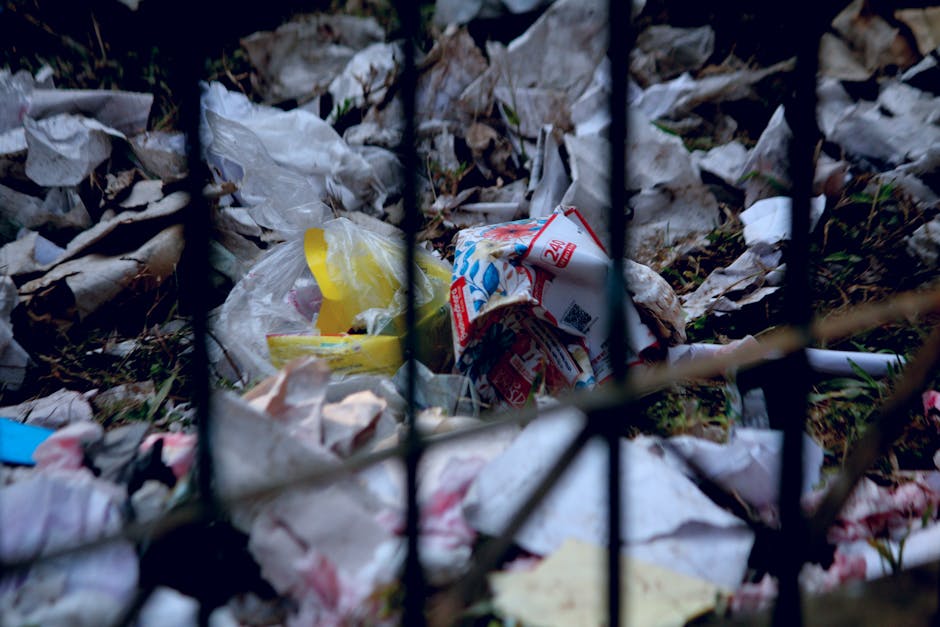
Gunnersbury Park Rubbish Clearing: What Locals Need to Know
If you live near Gunnersbury Park, you already know how quickly rubbish can build up. A clear-out after a home move, garden tidy-up, renovation, or general life admin can turn into a bigger job than expected. Bags multiply, bulky items appear from nowhere, and suddenly the question is no longer what should go? but how do I get it cleared properly, safely, and without wasting a weekend?
This guide explains Gunnersbury Park rubbish clearing in plain English: what it involves, when it makes sense, how the process usually works, and what locals should look for before booking a service. You'll also find practical advice on compliance, recycling, common mistakes, and the best ways to choose a removal option that suits your property, schedule, and budget.
For readers comparing services across West London and beyond, it can help to understand how different clearance types fit together. For example, a provider that handles general waste removal may also offer more specific support such as furniture clearance, garden clearance, or builders waste clearance.
Quick practical summary: if the job involves mixed rubbish, bulky items, awkward access, or time pressure, a structured clearance service is usually more efficient than piecemeal trips to the tip. The real value is not just removal; it is sorting, lifting, loading, and disposing of the waste responsibly.
Table of Contents
- Why Gunnersbury Park rubbish clearing matters
- How the clearing process works
- Key benefits and practical advantages
- Who this is for and when it makes sense
- Step-by-step guidance
- Expert tips for better results
- Common mistakes to avoid
- Tools, resources and recommendations
- Law, compliance, standards and best practice
- Options, methods and comparison table
- Case study or real-world example
- Practical checklist
- Conclusion
- Frequently asked questions
Why Gunnersbury Park Rubbish Clearing: What Locals Need Matters
Local rubbish clearing matters because waste is rarely just "mess". It can become a practical obstacle, a safety issue, and sometimes a compliance problem. In busy neighbourhoods near Gunnersbury Park, homes, flats, gardens, and commercial spaces often produce a mix of items that are awkward to store for long: broken furniture, old white goods, renovation offcuts, bric-a-brac, packaging, and garden waste.
When waste sits around too long, you may notice more than clutter. It can block hallways, attract pests, create trip hazards, or make a property harder to use or rent out. If you are preparing for a move, end-of-tenancy clean-up, refurbishment, or just a much-needed reset, clearing rubbish early tends to save time later. That is especially true in areas with tighter access, parking constraints, or shared entrances where a slow DIY approach can become frustrating very quickly.
It also matters for appearance. A pile of bags or a stray sofa on a front drive does not just look untidy; it can affect how a property feels and how neighbours experience the street. That is why many locals prefer a professional service that can handle collection efficiently and leave the space usable again the same day.
There is another reason people overlook: sorting. Not all waste is handled the same way. Recyclable materials, reusable furniture, general household rubbish, and trade waste each need different treatment. If you want to stay organised and avoid avoidable mistakes, a service with a clear process and a focus on recycling is usually the smarter route. A good example is a provider with a stated commitment to recycling and sustainability, because it gives you a better idea of what happens after pickup.
How Gunnersbury Park Rubbish Clearing: What Locals Need Works
Most rubbish clearing jobs follow a straightforward sequence, even if the details vary depending on the property type and amount of waste.
The first step is usually assessment. You describe what needs removing, where it is located, and whether there are any access issues. That can include stair-only flats, basement storage, rear garden access, shared driveways, or building work restrictions. Photos are often helpful, because they make it easier to estimate volume and plan the right vehicle and crew size.
Next comes quoting. Some jobs are priced by load size, some by item type, and some by the labour required. A quote should make clear whether lifting, loading, and disposal are included. That matters. A low headline figure is not useful if the real cost appears only when the team arrives and sees a pile of heavier items.
Then the collection itself takes place. The team should arrive with the right equipment, load safely, and separate items where possible. For example, furniture may be grouped for reuse or specialist disposal, while garden debris and builders' waste are processed differently. If you are dealing with bulky items, you may also find it helpful to look at related services such as flat clearance or house clearance, depending on the scale of the job.
Finally, responsible disposal closes the loop. That means recycling where possible, directing suitable items to the correct waste stream, and ensuring the rest goes to licensed facilities. Good providers should be comfortable explaining this in simple terms. You should never feel like you are being brushed off with vague promises and a smile.
Key Benefits and Practical Advantages
Clearance services offer more than convenience. For many locals, they reduce friction at exactly the point where a project is already demanding attention.
- Less physical strain: heavy lifting is handled by people used to moving bulky or awkward items.
- Faster turnaround: what might take you a full weekend can often be completed in a short visit.
- Better space recovery: once the rubbish is gone, a room, garden, loft, or garage becomes usable again.
- Cleaner disposal route: items are taken to the right facilities rather than left in a skip or piled on the pavement.
- More predictable planning: with a proper quote, you can arrange the work around keys, tenants, trades, or moving day.
There is also a less obvious advantage: reducing decision fatigue. If you are dealing with an estate, a renovation, or a long-overdue declutter, every extra trip, bag, and recycling decision adds mental load. Having one organised collection can make the whole job feel manageable again.
For a property owner or landlord, the benefit may be partly financial. A cleaner, emptier space is easier to photograph, inspect, refurbish, or let. For businesses, the same logic applies to stockrooms, offices, or unused furniture. In those cases, a service like business waste removal may be the better fit than a one-off household clearance.
Who This Is For and When It Makes Sense
Rubbish clearing near Gunnersbury Park is relevant to a wide range of people, not just homeowners with a garage full of forgotten items.
Typical situations where it makes sense
- Flat and house moves: when you need to clear unwanted items before handing back keys or preparing for sale.
- End-of-tenancy clear-outs: particularly where renters have left mixed waste, broken furniture, or leftover belongings.
- Garden refreshes: after pruning, landscaping, shed clearance, or seasonal tidying.
- Renovation and repair work: for plaster, packaging, old fixtures, and small-scale builders' debris.
- Garage, loft, and basement clearances: when space has slowly filled up over years rather than days.
- Office or workspace updates: if old desks, chairs, filing cabinets, or stock need to go.
Sometimes the trigger is simply a deadline. A relative visiting, a property inspection, or a contractor starting work next week can make "later" no longer an option. Truth be told, rubbish clearing often becomes urgent only after it has been ignored for a while. That is perfectly normal.
If your situation is mainly about old household contents rather than loose rubbish, then services such as home clearance, loft clearance, or garage clearance may be more appropriate than a generic waste collection. Matching the service to the job is one of the easiest ways to avoid paying for the wrong kind of help.
Step-by-Step Guidance
If you want a smooth clearance, a little preparation goes a long way. Here is the most practical way to approach it.
- Separate what must stay from what can go. This sounds obvious, but it is the easiest place to make mistakes. Put valuables, documents, keys, chargers, sentimental items, and anything uncertain in a safe "keep" area.
- Group items by type. Try to keep furniture, bags, garden waste, cardboard, and builders' debris roughly separated. This can help with quoting and disposal planning.
- Check access. Measure doorways, stairwells, gates, and any narrow turns. If the route is awkward, tell the provider in advance. Nobody enjoys discovering a sofa has opinions about the staircase.
- Take clear photos. Wide shots of the space and close-ups of bulky items help the clearance team assess volume and complexity.
- Request a detailed quote. Make sure it includes loading, labour, transport, disposal, and any likely extras.
- Confirm timing. Ask how long the job should take and whether the crew needs parking space or special entry instructions.
- Prepare the area on the day. Move pets, free up access routes, and keep the items to be removed clearly visible.
- Check the finished result. Before the team leaves, confirm that everything agreed has gone and the area is left tidy.
For properties with mixed contents, a more structured clear-out can be useful. If the job includes a full property or multiple rooms, house clearance may offer a more complete solution than item-by-item removal. The key is not to overcomplicate the task, but not to underestimate it either.
Expert Tips for Better Results
Small decisions often make the difference between a painless clearance and a stressful one. Here are the habits that help most.
- Be honest about volume. Underestimating how much needs removing can lead to a surprise on the day. A full van is a full van.
- Flag any special items early. Mattresses, appliances, paint tins, broken glass, and heavy wardrobes may need different handling.
- Ask what can be reused or recycled. Some furniture may be suitable for separate processing, which is better than treating everything as general rubbish.
- Think about timing around neighbours. Early mornings, shared entrances, and parking access can matter in residential streets.
- Keep paperwork if the job is business-related. Even a small office clearance may benefit from records of what was removed and where it was taken.
If you are arranging work for a rented property, ask for flexibility around tenant handovers, inventory checks, and decorating schedules. If it is a business property, choosing a provider with experience in office clearance can make the process more straightforward because they are used to working around access windows and occupied premises.
One more useful tip: do not leave decision-making until the crew arrives. It slows everything down and tends to increase stress. A five-minute sort beforehand can save a surprising amount of time.
Common Mistakes to Avoid
Most clearance problems are avoidable. The same issues come up again and again, usually because people are trying to move quickly and hope for the best.
- Assuming every item can go with general rubbish. Some waste types need separate handling, especially electrical items or materials from building work.
- Booking on price alone. The cheapest quote is not always the best value if it excludes labour, disposal, or access challenges.
- Failing to mention awkward access. Tight staircases, no parking, or long carrying distances can change the job significantly.
- Leaving sorting until collection day. This usually wastes time and can cause confusion about what should be removed.
- Mixing keep and remove items together. Once the crew starts working, mistakes are harder to reverse.
- Ignoring sustainability. Good clearance is not just about taking things away; it is about sending them to the right route afterwards.
A common real-world example is a loft clear-out where boxes of personal items sit beside old furniture and broken household waste. Without a simple plan, the "we'll sort it later" pile becomes the "we can't find anything now" pile. That is how Saturday disappears. Nobody wants that.
Tools, Resources and Recommendations
You do not need specialist equipment to prepare for a rubbish clearance, but a few simple tools help enormously.
- Labels or masking tape: useful for marking items to keep, donate, or remove.
- Strong bin bags or rubble sacks: better than thin bags for mixed domestic waste or garden debris.
- Basic measuring tape: helps if you need to check whether a sofa, wardrobe, or appliance can fit out safely.
- Phone camera: the easiest way to document the job and send accurate photos for a quote.
- Gloves and closed shoes: sensible if you are moving small items before collection.
For people who want a clearer understanding of the service itself, it may help to review provider pages such as furniture disposal and furniture clearance. Those pages can be especially useful if the main issue is bulky household contents rather than mixed rubbish.
If you want confidence about how a company handles the job, look for practical details on operations, safety, and disposal routes. Useful trust pages include health and safety policy, insurance and safety information, and pricing and quotes. Those pages often tell you more about service quality than a generic sales pitch ever will.
Law, Compliance, Standards and Best Practice
Waste clearance is one of those areas where "good enough" is not always good enough. In the UK, waste should be handled by appropriate, responsible channels, and the person arranging removal should take care not to hand waste to an unlicensed operator. The exact legal position depends on the type of waste and the circumstances, so it is wise to check carefully if your job involves business waste, construction debris, or items that may need special treatment.
For locals, the simplest best-practice rule is this: use a provider that can explain where the waste goes, how it is sorted, and how recycling is prioritised where practical. That is especially useful if your clearance includes mixed materials, appliances, or items that could be reused.
Good practice also includes safe lifting, sensible vehicle loading, clear communication, and respectful working around neighbours or shared entrances. If a company offers written policies, that is often a positive sign. Documents such as a terms and conditions page, contact page, and accessible support information help show that the business is set up to operate transparently.
If you are commissioning work at a commercial site, it is worth asking for evidence of proper handling, especially if the clearance involves office furniture, archived materials, or trade waste. For that reason, some customers also review a company's about us page to understand its service scope and approach before booking.
Options, Methods and Comparison Table
Not every clearance needs the same solution. The right method depends on the size of the job, the type of waste, and how quickly it needs to be done.
| Option | Best for | Advantages | Limitations |
|---|---|---|---|
| DIY trips to the tip | Small, manageable loads | Can be cost-effective if you already have transport | Time-consuming, physically tiring, and less convenient for bulky items |
| Skip hire | Longer projects with steady waste volume | Useful for ongoing renovations or clear-outs | Needs space, permits may be relevant, and loading is your responsibility |
| Professional rubbish clearance | Bulky, mixed, or urgent jobs | Fast, lifted for you, and often cleaner from a planning perspective | Usually more expensive than doing everything yourself |
| Specialist clearance service | Homes, flats, offices, garages, lofts, or gardens with defined needs | More tailored and efficient for specific property types | Best chosen when the scope is clear |
If your job is a mixed domestic clear-out with furniture, general waste, and a few awkward items, a targeted service may be the sweet spot. If the property is being emptied almost entirely, a broader service such as flat clearance or garage clearance might give you better value and less hassle.
Case Study or Real-World Example
Consider a typical local scenario: a family in a Gunnersbury Park-area flat is preparing to move out. Over the years, the spare room has become storage for an old chest of drawers, boxed toys, a broken chair, unused exercise equipment, and several bags of miscellaneous clutter. The hallway is narrow, parking is limited, and the move-out deadline is fixed.
Rather than trying to hire a van, sort waste streams, and make multiple trips themselves, they photograph the items, separate anything to keep, and book a collection. On the day, the clearance team removes the bulky furniture first, then the bagged waste, then checks that the remaining area is clear and swept through. The family avoids back-and-forth lifting, the move runs more smoothly, and the flat is left ready for the next stage.
The useful lesson is not that one method is always best. It is that the right method depends on the shape of the job. A small bag load may be perfect for a DIY trip, while a mixed flat clearance is often better handled as a professional removal. That distinction saves time, money, and a lot of unnecessary effort.
Practical Checklist
Use this checklist before you book or on the morning of collection.
- Have I clearly identified everything that needs to go?
- Have I removed valuables, documents, and items I want to keep?
- Are any items fragile, heavy, hazardous, or specially shaped?
- Have I shared photos or a full description with the provider?
- Do I know whether parking or access arrangements are needed?
- Have I checked whether the job is better suited to rubbish removal, furniture clearance, garden clearance, or a full property clearance?
- Do I understand the quote and what it includes?
- Have I asked about recycling, reuse, or disposal routes?
- Is someone available to answer questions or open the property if needed?
- Have I allowed time for final checks before the crew leaves?
Helpful rule of thumb: if you can explain the job clearly in one minute, the clearance is usually much easier to organise well.
Get a free quote today and see how much you can save.
Conclusion
Gunnersbury Park rubbish clearing is really about making life simpler, safer, and more manageable. Whether you are dealing with a few bulky items or a full property clear-out, the best outcomes usually come from clear planning, honest descriptions, and a service that handles waste responsibly.
Locals do not just need rubbish taken away. They need a process that works around real homes, real access issues, real deadlines, and real expectations. If you prepare properly and choose the right type of clearance, the job becomes far less disruptive than most people fear. And once the clutter is gone, the difference is immediate. Space feels bigger, cleaner, and easier to use. That part never gets old.
If you are comparing providers, focus on transparency, safety, disposal standards, and the services that match your exact situation. A well-run clearance is one of those jobs that quietly improves everything else around it.
Frequently Asked Questions
What does rubbish clearing near Gunnersbury Park usually include?
It usually includes collection, lifting, loading, transport, and disposal of unwanted waste. Depending on the provider, it may also include sorting for recycling, removal of bulky items, and cleaning up the cleared area afterwards.
Is this the same as a skip hire service?
Not quite. Skip hire leaves you to load everything yourself, while a rubbish clearance service usually does the lifting and removal for you. That can be much easier for flats, heavy furniture, or mixed waste.
How do I know whether I need flat clearance or general waste removal?
If the job is mostly clearing out the contents of a flat, a flat clearance service is often the better fit. If you just need mixed rubbish taken away, general waste removal may be enough. The scale and type of items usually decide it.
Can old furniture be taken away with other rubbish?
Often yes, but it depends on the provider and the items involved. Sofas, wardrobes, chairs, and tables may be removed as part of a furniture clearance, while other waste is handled separately.
What should I do before the clearance team arrives?
Separate what you want to keep, place items to be removed in one clear area if possible, and tell the provider about access issues. Photos and basic measurements help as well.
How can I avoid surprise charges?
Be accurate about the amount and type of waste, mention stairs or parking restrictions, and ask whether the quote includes labour and disposal. Clear communication is the best protection against unpleasant surprises.
Is garden waste handled differently from household waste?
Yes, often it is. Garden clearance may involve branches, hedge cuttings, soil, turf, or outdoor furniture, and these can be processed differently from general household rubbish.
What happens to the waste after collection?
Responsible providers sort it for reuse, recycling, or disposal at licensed facilities. The exact route depends on the type of material and what can be recovered safely.
Do I need to be present during the clearance?
It depends on the arrangement and access. Some jobs require someone on site to confirm items and provide entry, while others can be handled with clear instructions and access already agreed.
Are office or business clear-outs different from home clear-outs?
Yes. Business waste removal often involves desks, chairs, storage units, electronics, archived materials, or operational constraints. It usually benefits from a more structured plan and a provider that understands workplace access and timing.
What if I only have one or two bulky items?
That can still be worth booking if the items are heavy, awkward, or difficult to move safely. A single item can be more troublesome than several bags of lighter waste, especially in a flat or upper-floor property.
How do I choose a trustworthy provider?
Look for clear pricing, straightforward contact details, safety information, and transparent service pages. Details such as an insurance and safety page, a complaints procedure, and a clearly written privacy policy are useful signs of a well-run business.
Can clearance services help with larger household projects too?
Yes. If you are dealing with a bigger project, services such as loft clearance, house clearance, or home clearance can be a better match than a simple one-off collection.
Where can I get more information before booking?
Start with the provider's service pages and supporting information, then ask for a tailored quote. If you are ready to explore options, a direct enquiry through the contact page is usually the fastest next step.